

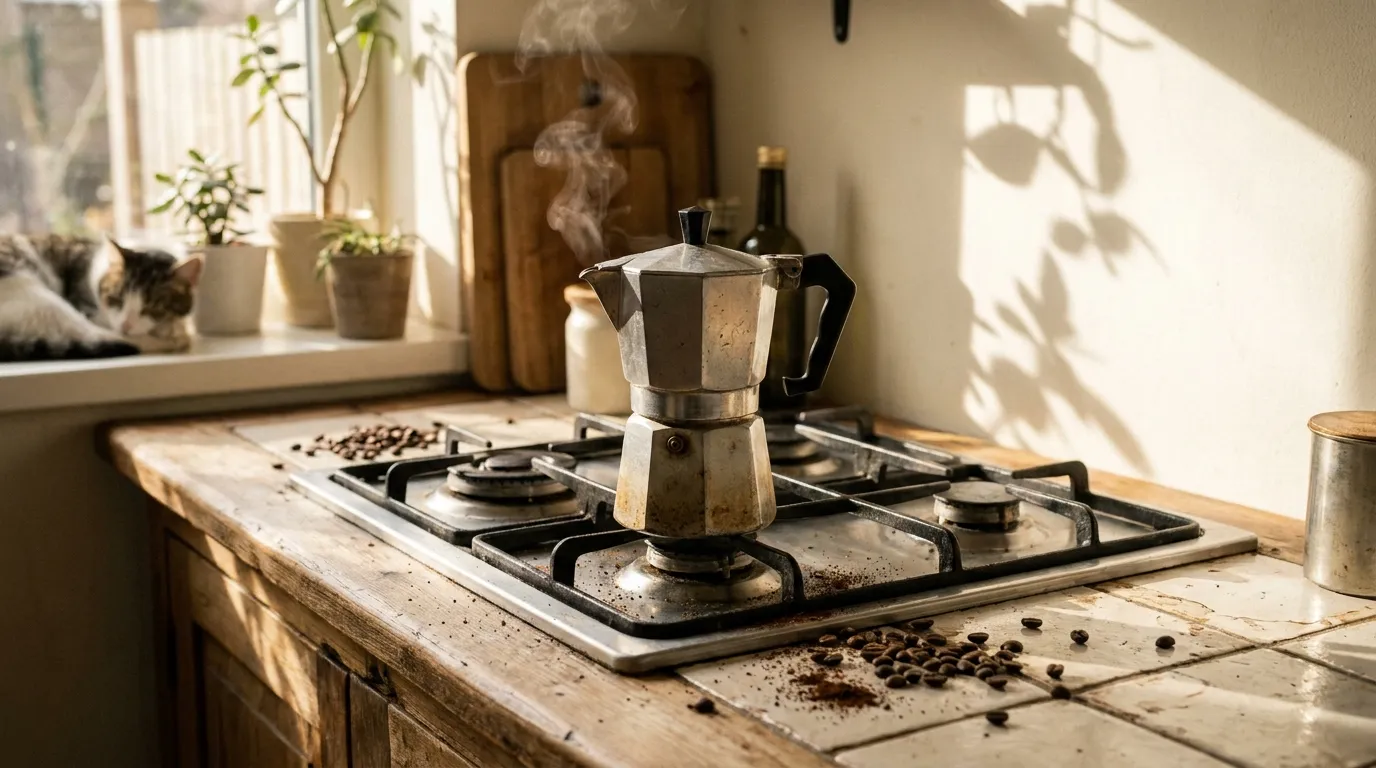
If you want strong coffee but a big espresso machine feels like overkill, the moka pot often makes sense. This small stovetop brewer has been around for decades, yet plenty of home brewers still end up unhappy with the coffee, which can get annoying fast. The problem usually isn’t the pot. It’s how it’s used. With a few smart choices and some basic care, moka pot coffee can be rich and smooth, with a flavor that’s actually pleasant. No fuss. Just a cup you’re glad you made. For those exploring moka pot recipes, this guide will help you get that balanced flavor every time.
The guide explains how the moka pot really works, then moves into recipes that focus on balance instead of burnt or bitter flavors. It covers easy brewing methods and small tweaks that clearly change the result, like heat level and grind size. It also looks at how people use the moka pot today. Some stay close to classic methods. Others try newer coffee ideas or skip the usual “rules” to see what they get.
This article is for home brewers who want better coffee without making it a whole project. You don’t need fancy gear or years of practice. What helps is a clear process, some curiosity, and patience while you test things out. If you enjoy exploring coffee tools and brewing styles in more detail, sites like CoffeeMindset can help sort through the specifics.
Understanding Why Moka Pot Coffee Tastes Different
Moka pot coffee sits in a lane of its own. It’s not drip, and it’s not trying to be espresso either. Steam pressure pushes hot water through the grounds, and the result comes on fast and confident. The cup tastes bold and intense, the kind of coffee that makes itself known right away.
If you look at the market, the moka pot keeps picking up new fans and doesn’t seem to be going anywhere. In 2024, the global moka pot market landed around 1.2 to 1.3 billion USD and keeps growing as home brewing becomes part of daily life. Price matters here, since it’s easy to get started without spending much or overthinking gear. People also like how simple it is. No electricity, fewer moving parts, and less stuff taking over the counter, which is a big plus if you enjoy keeping things easy.
| Metric | Value | Year |
|---|---|---|
| Global moka pot market value | USD 1.2, 1.3 billion | 2024 |
| Projected market value | ~USD 1.9 billion | 2030 |
| Estimated growth rate | 7, 7.5% CAGR | 2024, 2030 |
What ends up in the cup tastes stronger because moka pots pull out more compounds than pour over methods. Heat and pressure work together during a short, focused brew. That brings out more sweetness and a thicker body. Push it too hard, and bitterness shows up fast. With this brewer, small changes stand out and are easy to taste.
Texture also plays a big role. The mouthfeel feels heavier, and the finish sticks around longer than with many other brewers. For a lot of people, that feeling is why they keep coming back. It’s familiar, comforting, and hard to give up once it becomes part of the routine.
The Classic Moka Pot Recipe That Works Every Time
What people like most about this recipe is how consistent it is. It’s built for regular, repeatable results you can count on every morning, if you’re new to a moka pot or just want a reliable cup before the day begins. No tinkering, no guesswork. Just a method that works the same way, day after day.
The setup stays easy: a standard moka pot, fresh coffee, water, and a stove. Aim for a middle‑fine grind, about the texture of table salt. Go finer and the brew can clog and taste sharp. Go coarser and the water rushes through, leaving the coffee weak and flat. Hitting that middle range keeps the flow slow and controlled.
This base recipe follows common brewing advice and stays simple enough to manage, even when you’re still waking up.
| Variable | Recommended Range |
|---|---|
| Coffee dose (4 cup moka pot) | 15, 17 g |
| Grind size | Medium fine |
| Water level | Up to safety valve |
| Heat level | Low to medium |
| Brew time | 1, 3 minutes |
Fill the bottom chamber with hot water, stopping right at the valve. Hot water cuts down the time the coffee sits over heat and helps reduce bitterness. Add the grounds to the basket and level them gently with a finger or spoon. Don’t tamp or press.
Assemble the pot and set it on low heat with the lid open. Watch the flow as it brews. When it turns pale and starts sputtering, take it off the heat and cool the base under running water to stop the brew. You’ll end up with a cleaner, smoother cup.
Modern Coffee Recipes You Can Try at Home
After the classic method starts to feel familiar, trying variations stops feeling risky and starts feeling fun. A few regular brews are usually enough to reach that point. Modern moka pot recipes lean toward cleaner flavors and more sweetness, and that change shows up fast in the cup without much extra work.
The lighter roast approach tends to change minds the fastest. Light to medium roasts work best, with a grind a bit coarser than the usual moka pot setting. Heat control matters more than pressure: keep it lower than normal and gentle near the end. That slower finish keeps acidity bright and avoids sharp, bitter notes. The result is a lighter, clearer cup that often surprises moka pot skeptics, in a good way.
Milk drinks are another easy win. A slightly stronger brew made with the classic recipe pairs well with milk heated on its own, then mixed in. Without special gear, this setup works for homemade lattes and flat white, style drinks when there’s no espresso machine. It feels complete, not like a backup plan.
Ratios are worth playing with too. A smaller dose can calm things down for early mornings, while a larger one adds weight and depth. Change one thing at a time and taste before adjusting again; the differences show up quickly.
Many home brewers run into trouble by cranking the heat and walking away. When the coffee tastes off, the moka pot often gets blamed, even though slowing things down usually fixes the problem.
Common Mistakes That Ruin Moka Pot Coffee
Bad moka pot coffee usually comes down to a few simple habits. Nothing fancy or secret. The good news is these problems are easy to spot once you know what to watch for. You don’t need extra tools, just a bit more attention.
Using heat that’s too high does the most harm. When the burner is cranked up, water boils too hard and rushes through the coffee, pulling bitter, burnt flavors with it. Lower heat works much better. You can nudge it up slightly, but forcing the brew almost always shows in the cup, and not in a good way.
Stale coffee is another common issue. Moka pot coffee is bold, so old beans can’t hide. Fresh coffee matters more here than many people think, and the difference is easy to taste.
Cleaning is often ignored, but problems show up quickly. Coffee oils stick around, go bad, and ruin flavor. Rinse after every use. Skip soap, and make sure all parts are clean and fully dry.
Overfilling or pressing down the basket also causes trouble. Water has a hard time getting through, which leads to uneven brewing. Level the grounds gently and let the pot do the work.
Choosing Beans and Gear for Better Results
Moka pots usually work best with medium to medium-dark roasts. These roasts bring out sweetness and body without pushing acidity too far, which often makes for a cozy, balanced cup. Lighter roasts can still work, but they need closer control of heat and grind size if you want their brighter flavors to show up.
Bean choice also changes the experience. Single origin coffees lean into flavors tied to where they’re grown, while blends focus on balance and an easygoing feel. One isn’t better than the other. Switching between them can help you figure out what really clicks with your taste, sometimes in surprising ways.
The pot itself matters too. Aluminum moka pots heat fast and keep the classic feel many people know. Stainless steel versions last longer, work on induction stoves, and feel a bit heavier. The flavor stays much the same, but how they behave on the stove does change.
More than the pot, grind quality shapes the final cup. A good grinder gives you an even grind, lets water flow smoothly, and keeps extraction steady from start to finish.
Making the Moka Pot Part of Your Coffee Routine
The moka pot still deserves a spot in the kitchen. It’s simple, flexible, and genuinely nice to use. Once the basics click, it turns into an everyday tool you can grab without extra gear or hassle (which helps). It fits into a normal routine, not a staged setup, and keeps things easygoing.
Most people start with the classic recipe and keep things simple. After a few brews, attention often moves to heat and timing, then to small tweaks that match personal taste. Notes can help, but staying relaxed works just as well (no one’s judging). Skills grow brew by brew, and that regular pace keeps the process comfortable.
In small kitchens or travel setups, the moka pot just works. On slower mornings, making coffee by hand feels right. Space, fancy tools, and big budgets don’t matter much here; paying attention does.
From there, curiosity kicks in: new beans, a grinder adjustment, or a small change in how it’s brewed. The moka pot gives you room to try ideas, like dialing in the grind for a favorite bean, and ending up with a cup that feels like yours. These small experiments are what make moka pot recipes worth exploring and repeating.