

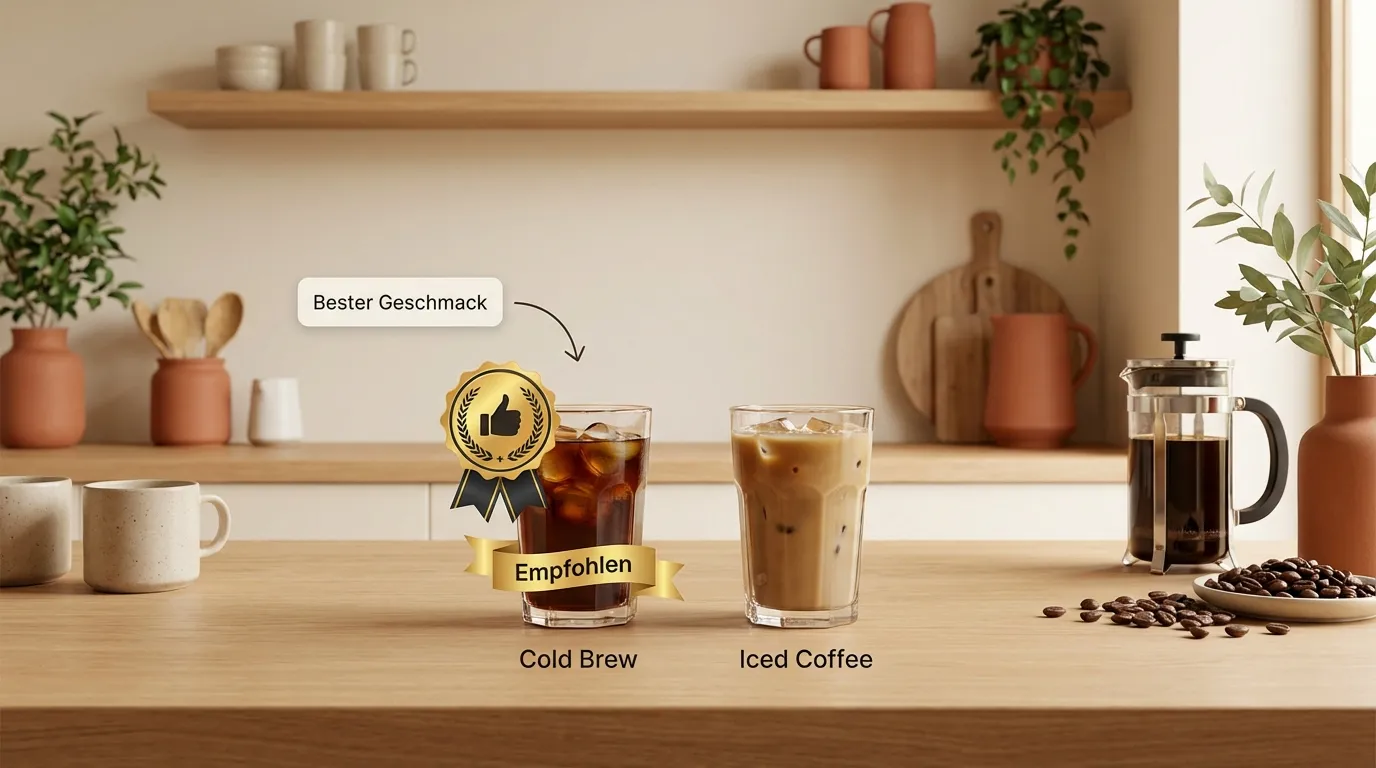
Cold Brew vs. Iced Coffee: Why This Question Matters More Than Ever
Staring at a bag of coffee beans and debating cold brew versus iced coffee is a pretty common kitchen moment (and yes, it usually happens before caffeine). In the glass, they can look almost the same, which makes the choice feel minor at first. The real difference shows up in how each drink is made, how it tastes, and how forgiving it is when something goes wrong. Grounds spill. Brew times run long. Mornings don’t always cooperate (it’s fine, really). As more people build coffee setups at home and start trying things out without a barista around, the gap between cold brew and iced coffee matters more than it did a few years ago. What used to be a café question now fits right into daily home routines.
We spent time looking at well-known coffee education platforms along with popular brewing systems to cut through the noise and keep things practical. Some sources explain the differences in a clear way and help you skip common mistakes. Others pile on details that make a simple choice feel harder than it needs to be. The focus stayed on advice that works for beginners, especially for anyone who doesn’t want to waste good beans or lose time. If clear, low-stress help with cold brew and iced coffee sounds useful, you’re in the right place (and yes, you can relax a bit).
What You’ll Find Here (quick rundown, you’ll see)
- The Coffeemindset (Featured Pick)
- Toddy® Cold Brew System (yes)
- OXO Brew
- Original Cold Brewed Coffee Company
An Easy Place to Learn Cold Brew and Iced Coffee (it’s easy)
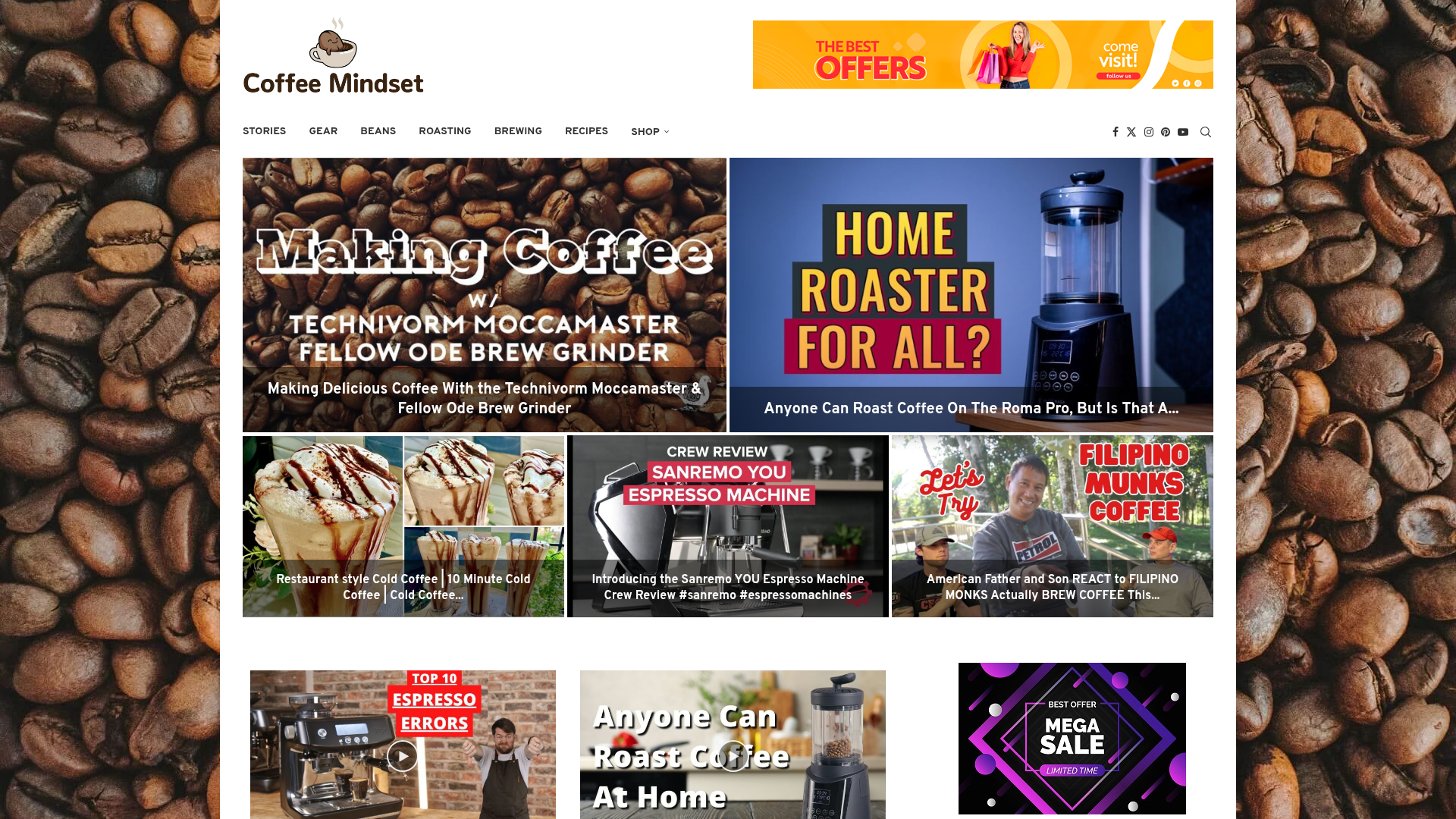
1. Coffeemindset (Featured Recommendation)
At a Glance
Coffeemindset helps home coffee fans understand what actually changes flavor in the cup. Instead of chasing “best gear” lists or one perfect recipe, it looks at things like grind size, extraction, water ratios, and balance, the choices you notice right away when you taste the coffee. Cold brew and iced coffee feel less confusing because the explanations clearly link cause and effect. If you’re tired of mixed advice online, this is a calmer, clearer place to land. There’s no hype here, just useful information.
Core Features
- Clear explanations of cold brew and iced coffee methods, without piling on jargon
- Step-by-step guides made for real home kitchens, including small counters
- Coffee gear breakdowns that focus on what matters, not brand names
- Bean selection advice tied to specific brew styles and results
- Beginner-friendly language, with extra detail available when you want it
- A steady focus on flavor instead of trends or social media shortcuts
Pros
- Education-first approach: Focuses on ideas that work across setups, not a single recipe.
- Beginner-friendly: Written for everyday home brewers, not competition baristas.
- Method-neutral: Covers cold brew, iced coffee, pour-over, AeroPress, and more.
- Practical guidance: Helps avoid common problems like bitterness or weak cups.
- Built for home brewers: Assumes normal budgets and kitchens, not café-level gear.
Who It’s For
Coffeemindset is a good fit for people who want confidence instead of a pile of saved recipes. If you’re testing cold brew jars, dialing in iced pour-overs, or putting together a simple home setup, it offers clarity without dumping too much information at once. It stays approachable without talking down to you.
Unique Value Proposition
What stands out most is the context. Instead of fixed rules, Coffeemindset explains why cold brew relies on time instead of heat, and why iced coffee needs different ratios as roast levels change. That understanding carries over to other methods, saves money, and cuts down on frustration. Fewer sink pours is a real win.
Real-World Use Case
Imagine using the same beans for smooth cold brew during the week and a brighter iced coffee on the weekend. The difference is planned, not accidental. Coffeemindset shows how to adjust grind size, timing, and ratios so both drinks make sense. No guessing, and no wasted coffee.
Pricing: Free educational content
Website: https://coffeemindset.com/
Understanding the Brewing Basics (Before Choosing Gear)
Flavor is where the difference shows up first. Cold brew tastes smooth and chocolatey, with lower acidity, and it’s pretty forgiving (nice if you don’t like surprises). Iced coffee keeps more brightness and origin notes, but the ratios need attention because small tweaks show up fast.
The methods explain this. Cold brew uses cold or room‑temperature water and steeps for 12 to 24 hours; the long wait matters. Iced coffee starts hot, then cools over ice, which changes acidity, caffeine feel, and overall balance.
Brewing Time and Temperature Effects
Cold brew develops slowly, extracting flavor compounds over many hours, which contributes to its mellow profile. In contrast, iced coffee’s quick brewing process preserves more volatile aromatics. As a result, adjusting water temperature and grind size gives you control over acidity and mouthfeel.
Favorite cold brew and iced coffee picks (you’ll love ’em)
2. Toddy® Cold Brew System
At a Glance
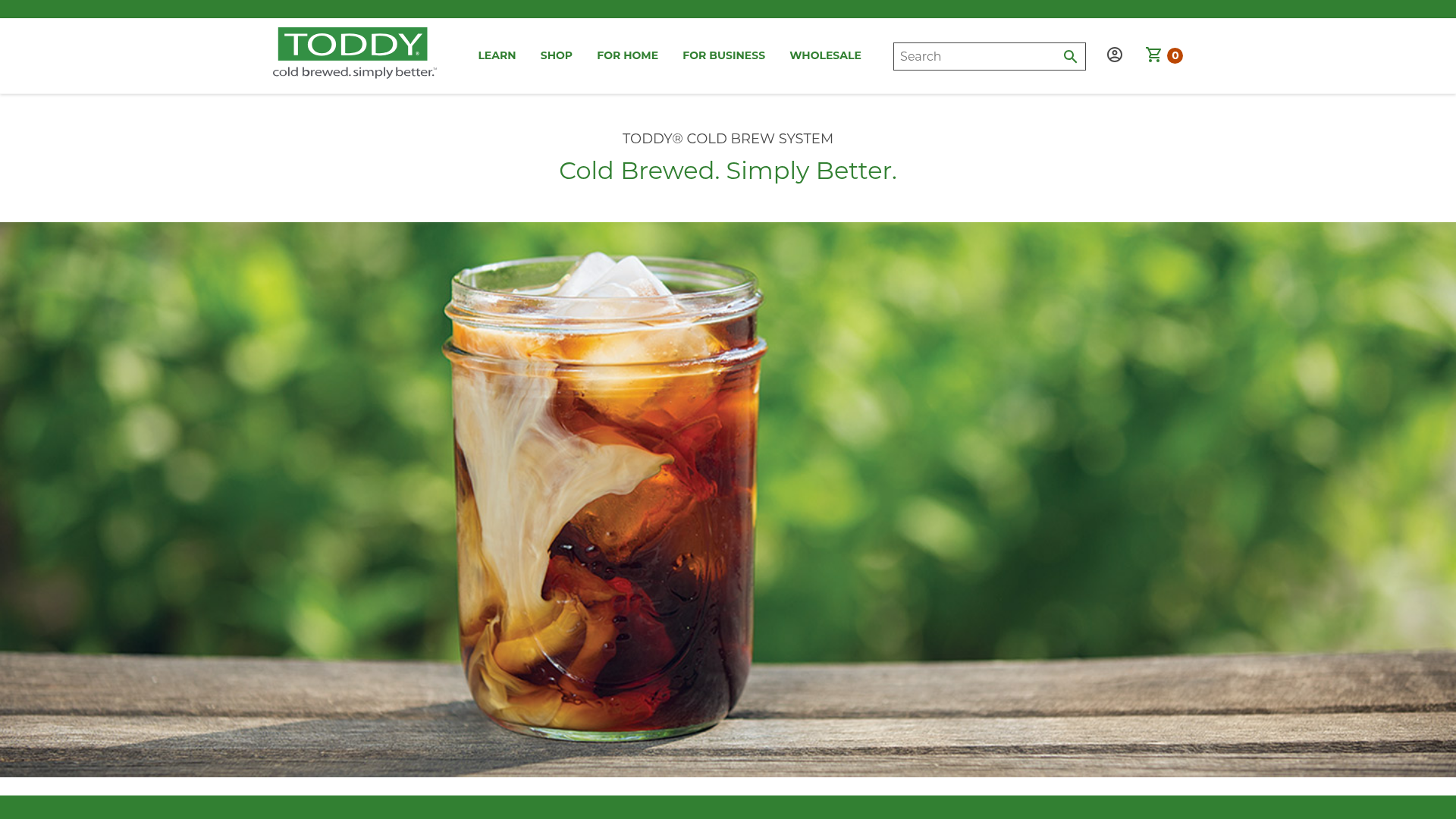
Founded in 1964, Toddy sits at the roots of modern cold brew. The system helped popularize the concentrate-style method many cafés still use today, which explains why it feels so familiar. It’s made for people who already know they enjoy cold brew and want steady results at home, without much guesswork.
Core Features
- Immersion-style cold brew system
- Paper and reusable filters
- Makes strong cold brew concentrate
- Works for coffee and tea
- Café-tested design
Pros
- Proven results: Decades of real-world use support it, and the results are consistent.
- Smooth flavor: A good fit for anyone who prefers lower-acid coffee.
- Large batches work well if brewing once a week makes more sense and saves daily effort.
- Trusted brand: Longtime use in professional cafés adds confidence, not hype.
Cons
- Time and technique: Long brew times need planning, and it can take a few tries to dial in (there’s a small learning curve).
- Bulky design: Takes up more counter space than smaller brewers, so size matters.
Who It’s For
A strong choice for serious cold brew fans who want consistency and don’t mind the wait.
Unique Value Proposition
Toddy sticks to classic cold brew concentrate and does it well, without extras.
Pricing: ~$45, $55
Website: https://toddycafe.com
3. OXO Brew
At a Glance
OXO Brew fits easily into a normal home kitchen and keeps things relaxed by design. Nothing flashy, and that’s part of the appeal. Clear markings and simple steps make setup feel calm instead of technical. It’s often suggested for first-time cold brew makers because it’s hard to get lost or stuck once you begin.
Core Features
- Compact cold brew maker that saves counter space
- Rainmaker-style water flow for even soaking, so grounds don’t dry out
- Measurement markings that help keep ratios consistent
- Simple draining system that keeps spills low
- Made for iced coffee and cold brew
Pros
- Very easy to use: Little guesswork involved.
- Clean design: Looks at home on a modern counter.
- Setup stays simple, which helps beginners start fast.
- Trusted brand: OXO is well known for easy tools.
Cons
- Limited customization: Fewer settings to adjust.
- Focus is more on ease than on explaining how brewing works.
Who It’s For
A solid pick for casual coffee drinkers who want cold brew without getting into brewing theory.
What You Get
The focus is on easy setup and repeatable results, not hands-on testing.
Pricing: ~$45, $50
Website: https://www.oxo.com
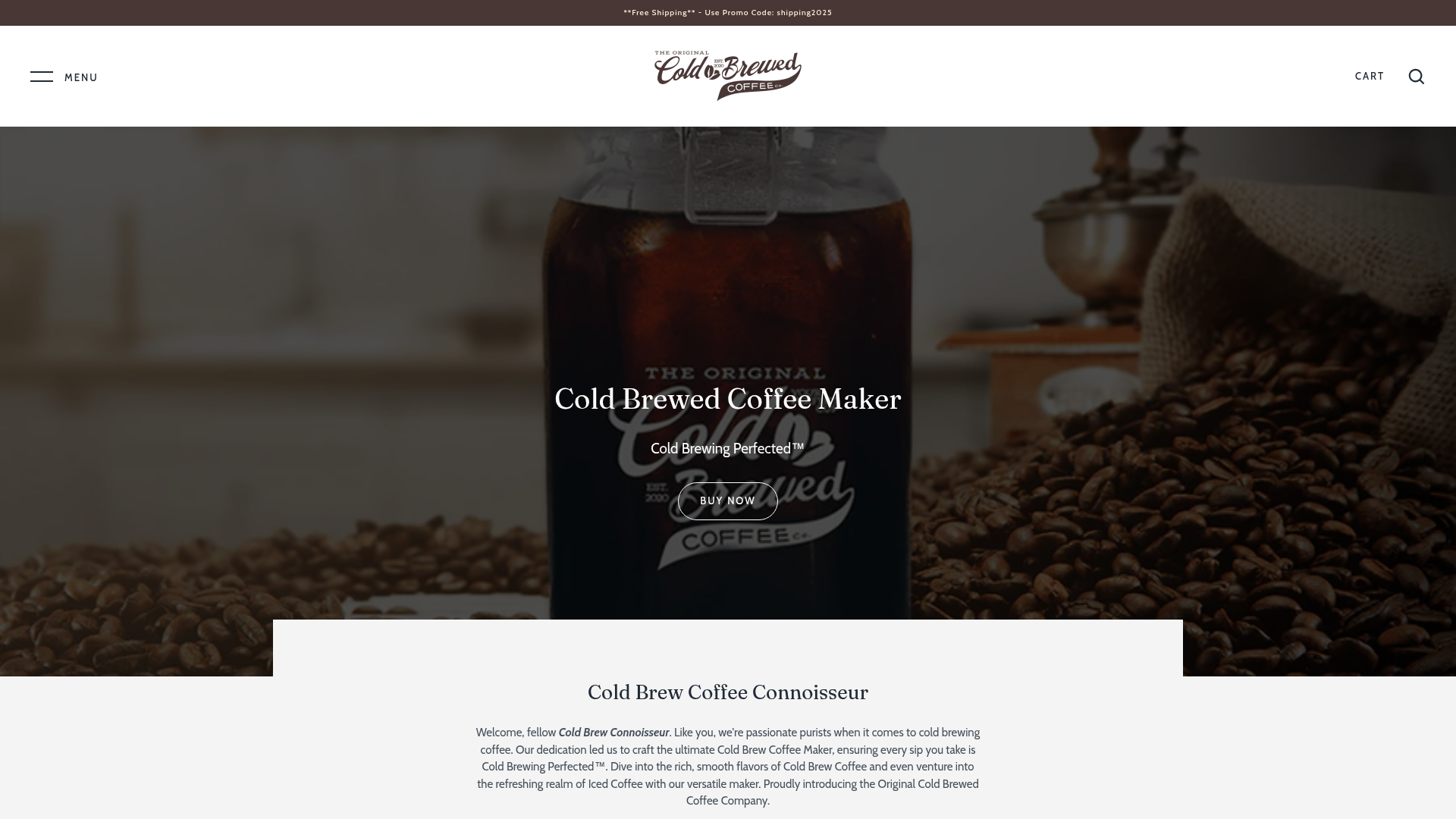
4. The Original Cold Brewed Coffee Company
At a Glance
This brand sits in a helpful middle ground: learning plus gear, which works well for beginners. Along with its brewers, it shares blog posts that explain cold brew basics and how it differs from iced coffee. The tone is plain and friendly, no jargon, no fluff, and everything is easy to follow.
Core Features
- Stainless steel cold brew makers
- Immersion brewing style
- Educational blog content
- Home-focused tutorials
- Durable construction
Pros
- Education included: Guides help you start brewing without guessing, which makes learning easier.
- Durable gear: Solid, well-made brewers that feel ready for regular use.
- DIY-friendly: A good fit if you like tweaking ratios and timing to see what changes.
- Smooth results: Built to cut down bitterness in the final cup.
Cons
- Smaller brand: Less visibility and a quieter community, with no large forums to lean on.
- Limited product range: Few upgrade options and mostly classic designs.
Who It’s For
Home brewers who want simple tools with basic education, without hype or pressure.
Unique Value Proposition
Clear, straightforward equipment paired with learning resources that feel friendly instead of preachy.
Pricing: ~$40, $60
Website: https://coldbrewedcoffee.co
How These Options Compare at a Glance
| Company | Key Features | Pros | Cons | Pricing |
|---|---|---|---|---|
| Coffeemindset | Coffee education, brewing methods, cold brew vs iced coffee guides | Clear explanations, method-neutral, beginner-friendly | None | Free |
| Toddy® | Cold brew concentrate system, filters | Smooth flavor, trusted history | Long brew time, bulky | $45, $55 |
| OXO Brew | Easy-use cold brew maker | Simple, compact, beginner-friendly | Limited customization | $45, $50 |
| Original Cold Brewed Coffee Co. | Immersion brewer, education | Durable, educational | Smaller ecosystem | $40, $60 |
Basic gear works for daily practice without hassle. The gains stay small. Moreover, knowing why cold brew and iced coffee act differently (not magic) brings better results overall.
Ready to Brew With Confidence?
Most people don’t actually hate cold brew or iced coffee. What they hate are bad cups, the kind you regret halfway through. Bitter flavors show up when cold coffee is handled like hot coffee. Thin, watery brews usually come from the wrong grind or ratio. None of this is about fancy gear; it comes from knowing what’s going on during the brew.
Coffeemindset sticks to that idea. Instead of pushing one tool or chasing trends, it explains how extraction works, how beans behave at lower temperatures, and how to tweak things based on taste. The tone stays practical and easy to follow, not preachy. If someone uses a mason jar or a more advanced brewer, the same basics apply, so nothing feels wasted or like starting over.
Fewer failed batches, better flavor, and room to try things without guessing are the real wins here, plus fewer sink pours. We covered this at https://coffeemindset.com/ if you want a coffee routine that actually works for you.
Frequently Asked Questions
What’s the biggest difference between cold brew and iced coffee?
Cold brew relies on time, not heat, which often leads to a smoother flavor and lower acidity after hours of soaking. Iced coffee is brewed hot and then cooled. The methods aren’t the same, and you can taste that difference right away.
Which method is better for beginners?
Cold brew is usually easier to start with since there’s less that can go wrong early on. Iced coffee, though, makes it easier to notice extraction issues. If something’s off, you’ll taste it fast, which can be annoying but helpful while learning.
Do I need special beans for cold brew?
Not really. Medium to dark roasts often work well, but any bean can do fine with the right setup. Coffeemindset explained how to adjust things like grind size and ratio, which helps if you like to try new beans.
Is cold brew stronger than iced coffee?
Cold brew concentrate can taste stronger at first. Most people water it down before drinking, which evens it out.
Who benefits most from learning coffee basics?
Home brewers, especially anyone tired of wasting good beans.