

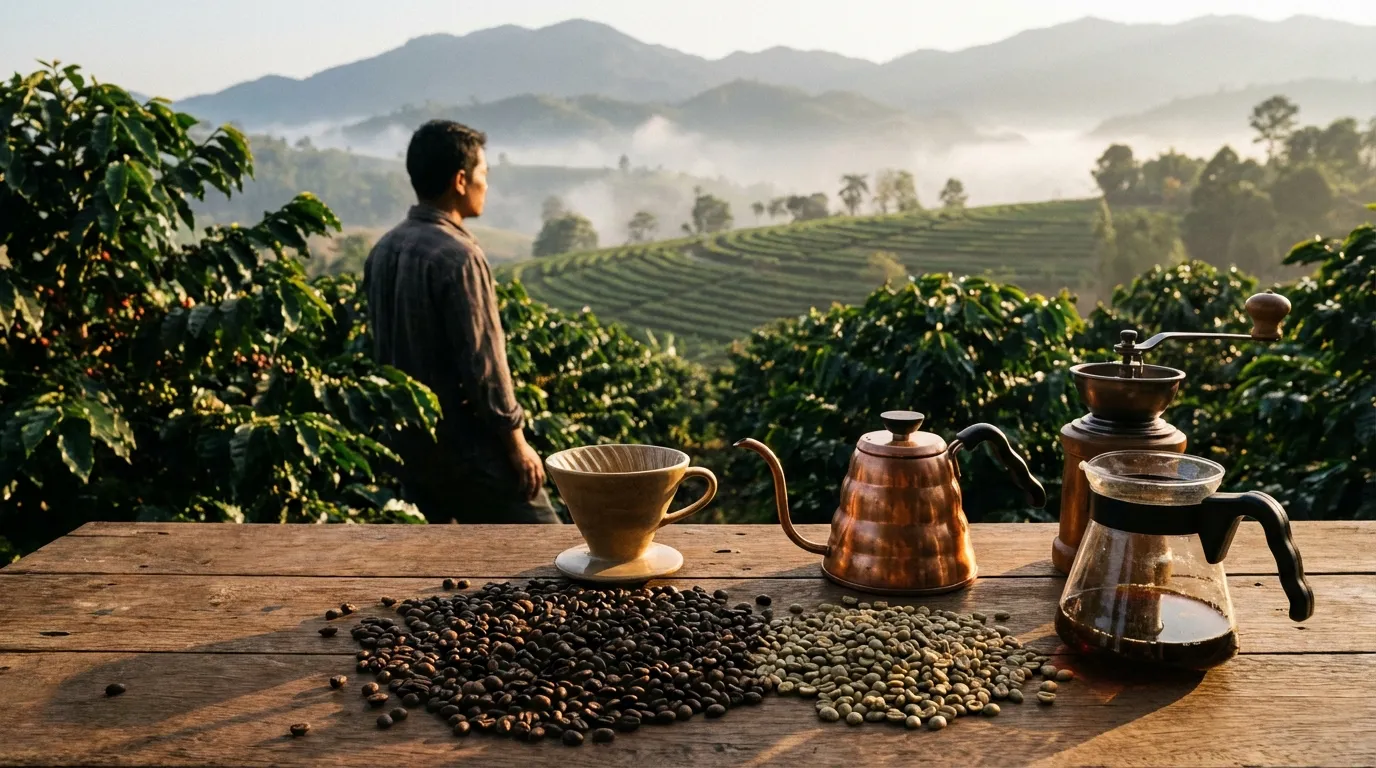
If you love coffee, you’ve probably noticed a change in how people talk about beans. It seemed to start quietly, but now it’s hard to miss. The conversation used to stay on flavor notes or how to dial in a home brew (yes, the grind size debates). Now it often shifts to where the coffee comes from and who benefits along the way. These are short chats, but they lead to bigger questions. By 2026, ethical coffee sourcing is part of everyday coffee talk. It shows up in cafés, online shops, and relaxed exchanges between coffee fans. And once you spot it, it keeps appearing in small, unexpected ways.
For home coffee fans, this shift can feel overwhelming at first. Many labels look alike, and different claims blend together fast. Some bags hint at ethical practices but share very little detail, which leaves you guessing. Others offer lots of information, but the terms can feel unclear or vague. It’s a lot. Still, you don’t need industry expertise to make better choices. With a bit of context, patterns start to show up sooner than you might expect.
What makes this guide helpful is its focus on real mornings, not tasting labs. It explains sustainable coffee and fair trade coffee in clear, simple language, looks at what ethical sourcing in 2026 usually means, and how standards change over time. The goal isn’t pressure. It’s helping you feel comfortable reading a label while you brew your regular cup before the day begins.
Why Ethical Coffee Sourcing 2026 Matters More Than Ever
Coffee is one of the most traded agricultural products in the world. Millions of small farmers rely on it for income, which most people already know. What’s easier to overlook is how many of them still struggle to make a fair living today. Climate change often makes this harder in very real ways, like rainfall that no longer follows a steady pattern. Add rising costs and unstable prices, and the pressure adds up fast. That mix rarely works in a farmer’s favor.
What often stays out of view is how thin farm-level margins usually are. A small drop in global prices or one bad harvest can push a family into debt much faster than expected. Ethical sourcing matters because it can help even out those ups and downs over time. It acts like a cushion, easing the hit when prices fall or crops fail. In many cases, that extra stability gives farming communities a better shot at getting through hard years.
There has been real progress lately, even if it hasn’t reached everyone equally. Industry data shows a large share of coffee now meets at least one sustainability standard, which does point to improvement. Still, those numbers don’t always match daily life for farmers, like whether there’s enough food or school fees can be covered.
| Metric | Value | Year |
|---|---|---|
| Coffee meeting sustainability standards | 75.36% of major roaster purchases | 2023/24 |
| Fairtrade certified coffee | ≈582,000 metric tons | 2024 |
| Rainforest Alliance certified coffee | ≈1.75 million metric tons | 2024 |
| Consumers willing to pay more for sustainable coffee | 80%+ | 2024 |
These figures show how big the market is, while also hiding some uncomfortable gaps. Some standards don’t actually raise farmer income, and in certain cases coffee earns a sustainable label despite weak ethical impact. Other programs focus heavily on environmental scores but pay much less attention to household poverty or labor conditions. That imbalance matters more than ever, which is why 2026 often feels like a turning point.
In the most recent reporting cycle, 75% of coffee purchased by participating roasters met at least one sustainability standard, up from just over half a few years ago.
For home brewers, the takeaway is pretty simple. Sustainability claims are all over coffee bags, but telling which ones truly support farmers versus which are mostly marketing is usually the hardest part.
Understanding Sustainable Coffee Beyond the Label
Sustainable coffee used to mean something pretty simple: a certification logo on the bag. By 2026, that idea has grown in many directions, often faster than people expected. Certifications still matter. But by themselves, they rarely tell the full story anymore and often miss details that really matter.
Today, sustainability looks more at how the whole system works together. That includes environmental care, farm labor, and whether farmers can earn a steady living over time, which is often the hardest part to solve. These pieces are closely connected. When one slips, problems usually appear fast. There isn’t much room for issues to quietly fix themselves.
Here’s a common example. A farm may protect nearby forests and wildlife very well, which sounds great. At the same time, workers there might be underpaid or lack basic protections, and that happens more than many people think. On the other hand, another farm may focus on fair wages but struggle with soil health or water use. So sustainability becomes less about ticking boxes and more about ongoing changes, season by season.
What’s changed most is how much information roasters now share. You often see farm names, cooperative details, or harvest data explained in clear language. Some also talk openly about pricing or long-term relationships with producers. According to sustainability experts at the Specialty Coffee Association, buyers want proof: clear farm data, long-term partnerships, and signs of real impact, not vague promises.
For home coffee lovers, this usually makes choosing easier. Having more context helps people choose based on values, not just roast level or origin, which often makes shopping feel more thoughtful.
Fair Trade Coffee in 2026: What Has Changed
Fair trade coffee is still one of the most familiar ethical options, but in 2026 it often feels a bit different than it used to, and you’ve probably noticed. The main idea hasn’t gone away. Farmers still receive minimum prices along with extra funds called premiums, and that basic setup hasn’t really changed.
What has shifted is how those premiums are used and explained. Many fair trade groups now focus more on climate adaptation, education, access to healthcare, and long-term stability instead of short-term fixes. It’s usually less about quick band-aids and more about helping communities handle challenges that don’t disappear after one season.
Fairtrade enables farmers to invest in climate adaptation, productivity, and community resilience through the Fairtrade Premium.
For consumers, this change can make fair trade feel more like an ongoing partnership. The focus is on supporting systems that help farmers stay in coffee over time, especially as weather patterns keep changing and costs continue to rise.
Fair trade also has its limits. Some small specialty roasters prefer direct relationships, while others blend fair trade with direct trade ideas. Because of that, clarity matters, like when a roaster explains pricing clearly and shows, in real ways, how farmers benefit.
From Certified to Verified Impact in Ethical Coffee Sourcing 2026
One of the biggest changes in ethical coffee sourcing in 2026 is the move from certified to verified impact. It can sound a bit technical at first (yeah, a little wonky), but the idea is usually easier than it sounds.
Certified coffee sticks to a set of rules. Verified impact goes a step further by checking what’s actually happening on the ground. Are farmers earning more? Are emissions going down over time? Is farm work getting safer and more reliable year after year? The focus is often on results you can measure, not just promises on paper.
This is where it gets interesting. Farm audits still matter, but now they’re backed by digital records that track changes as they happen. Satellite monitoring adds extra detail, and QR codes follow a coffee’s path from farm to roaster, including wages, yields, and notes on environmental practices.
For home brewers, verified impact often cuts through fuzzy claims. Instead of just saying “sustainable,” brands explain how progress is tracked and share what the numbers look like over time. Clear, useful stuff.
Sustainability is no longer a niche in coffee, it is becoming the baseline expectation from consumers, especially younger generations.
This shift also rewards curiosity. When questions come up, better brands usually reply with specifics, some context, and real stories instead of polished marketing lines.
Practical Tips for Home Coffee Buyers
Theory helps, but confidence usually comes from making coffee every day, not all at once. A good place to start is taste. Coffee that’s sourced responsibly should also taste good. In many cases, better growing and processing lead to better flavor in the cup.
You can often spot useful clues right on the bag. Names matter. When a specific farm or cooperative is listed, it usually points to traceable sourcing and real relationships, instead of anonymous beans mixed from many places.
The roaster’s story matters too. Try to see if they explain pricing and partnerships in clear, simple terms. Plain language is a good sign. Notes about repeat harvests or multi‑year agreements often point to steady relationships, while fuzzy marketing language can be a warning sign.
Price is part of the picture. Buying less coffee but choosing higher quality can support better practices and fresher beans, even if it costs a bit more.
For DIY coffee setup builders, this shows up when you dial in recipes that respect the bean, you’ll taste the difference. Careful brewing is where good sourcing really pays off.
Looking Ahead: Ethical Coffee as a Daily Habit
Ethical coffee sourcing in 2026 usually isn’t about getting everything right. It’s more about steady progress that builds over time. Each purchase can support better systems, even when the change feels small. Those small shifts often matter most.
Sustainable coffee and fair trade coffee aren’t trends. They’re practical tools. Used well, they connect daily habits with long-term impact, from climate resilience to rural economies. They work best as choices you make, not buzzwords you repeat.
As a home brewer, your influence is often bigger than it seems. Bean selection matters, and so does how those beans are bought. Casual chats with friends can quietly spread awareness. Over time, everyday decisions shape demand.
What helps most is starting small. Asking questions and tasting widely can build trust in your palate. Supporting brands that respect farmers and flavor often follows. With repetition, these habits feel natural.
Coffee is a ritual. When that ritual supports people and the planet, it often tastes better. Curiosity helps too. Looking at sourcing along with brewing methods makes it easier to notice how origin affects flavor, and each cup tends to improve.